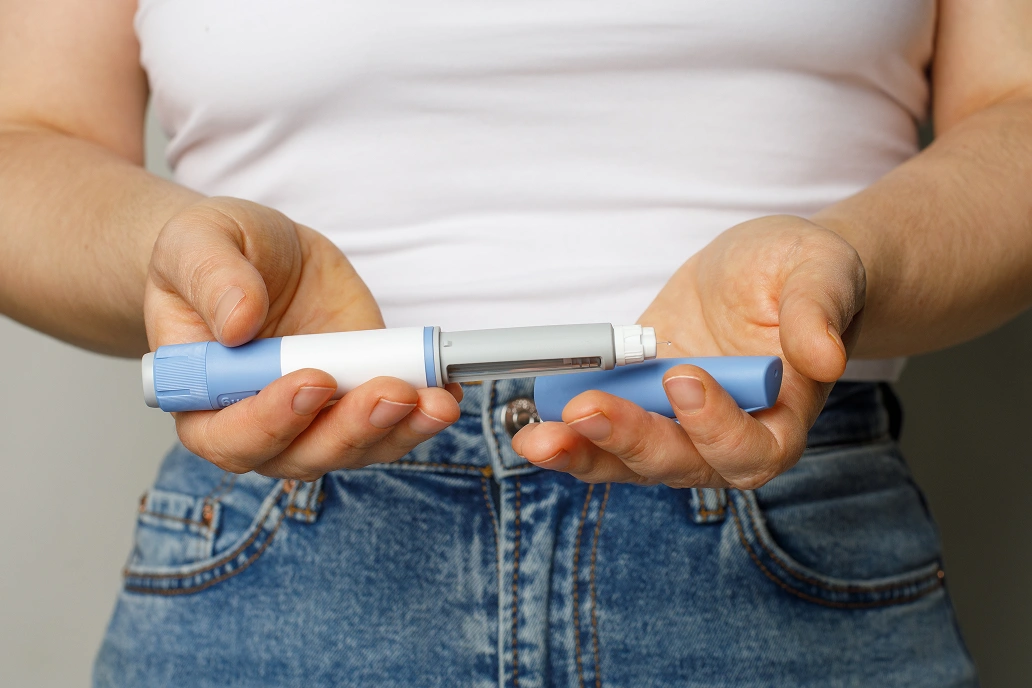
The most important thing to know:
A damaged pen can look completely normal. The liquid inside may still appear clear and colorless — exactly the way it should — but the medication may no longer work. Because you can't always see the damage, knowing how and when it can happen is the best way to protect yourself.
01. Why GLP-1 Medications Are Vulnerable to Damage
GLP-1 medications are made from delicate, protein-based molecules. Unlike simpler, small-molecule medications (like ibuprofen), they can be damaged by:
- Temperature extremes — both freezing and overheating can permanently destroy the active ingredient
- Light exposure — prolonged light can break down the medication over time
- Rough handling — excessive shaking or dropping can affect stability of the protein inside
- Contamination — improper needle handling (such as leaving a needle attached between uses) can introduce bacteria
Once the medication is damaged, it cannot be repaired— and the pen may still look and work exactly like a normal one.
02. The Most Common Causes of Damage
Freezing
| How It Happens |
What You May (or May Not) See |
|
Stored against the back wall of the refrigerator (often the coldest spot)
|
Ice crystals visible in the liquid (but not always present)
|
|
Left in a car overnight in cold weather
|
Liquid looks completely normal despite being damaged — this is the most common and most misleading scenario
|
|
Packed in checked luggage (cargo hold temperatures can drop below freezing)
|
Pen still clicks and functions normally
|
|
Gel pack placed directly against the pen without a cloth barrier
|
No visible change at all — the medication looks fine but may no longer work
|
What to do: If you think your pen may have been frozen, do not inject it. Contact your care team. A frozen-then-thawed pen will not harm you if injected — but the medication may no longer work. You might not realize it until you notice changes in your appetite or weight weeks later.
Overheating
| How It Happens |
What You May (or May Not) See |
|
Left in a hot car (interior temperatures can exceed 130°F in summer)
|
Solution may appear slightly cloudy or discolored — but often looks normal
|
|
Stored near a heat source (oven, radiator, sunny windowsill)
|
Pen functions normally despite reduced potency
|
|
Carried in a bag in direct sunlight for extended periods
|
No reliable visual indicator
|
|
In-use pen stored somewhere warmer than the room-temperature window (>77°F or >86°F, depending on medication)
|
Gradual potency loss — no visible sign
|
💡What to do: If your pen was exposed to temperatures above its room-temperature limit for more than a few hours, contact your care team before injecting. When in doubt, do not use
Expiration
Expired medication does not suddenly become dangerous, but its potency is not guaranteed past the expiration date.
- Check the expiration date printed on both the pen and the outer packaging before every injection
- Do not use a pen past its expiration date, even if it has been stored correctly
- For in-use pens, also track the room-temperature window (see the Storage Guide) — this is a separate and often shorter deadline than the printed expiration date
03. Visual Inspection — What to Look For Before Every Injection
Make this a 10-second habit before every dose:
| What to Check |
Normal |
Do Not Use If |
|
Color
|
Clear and colorless, or very faintly yellow (some formulations)
|
Noticeably yellow, brown, or any other color change
|
|
Clarity
|
Completely clear — no haziness
|
Cloudy, milky, or hazy
|
|
Particles
|
None
|
Any visible floating or settled particles
|
|
Ice crystals
|
None
|
Any sign of crystallization or frosting in the solution
|
|
Pen mechanism
|
Dose counter advances, medication is delivered
|
Pen clicks but nothing is delivered; dose counter does not advance; plunger is stuck
|
|
Cartridge or pen body
|
Intact, no cracks
|
Cracked casing, broken window, damaged cartridge
|
|
Needle
|
Clean, straight, attached just before use
|
Bent, damaged, or previously used needle
|
💡What to do: If anything in the "Do Not Use If" column applies, do not inject. Contact your Onsera clinical care team .
04. When the Medication May Be Damaged But Looks Fine
This is the most important concept in this guide. The following situations should prompt you to contact your care team before injecting, even if the pen looks completely normal:
- The pen was left in a car for more than 1–2 hours in warm or cold weather
- The pen was packed in checked luggage
- A gel pack was placed directly against the pen (possible contact freezing)
- The pen was left outside or on a patio in hot or cold conditions
- The in-use pen has been at room temperature longer than the permitted window
- The pen was dropped and the cartridge was damaged.
- Your shipment arrived warm to the touch, with melted gel packs, or with wet packaging
💡When in doubt — do not inject. Contact your Onsera care team first.
A wasted dose is always safer than an ineffective or potentially compromised one.
05. Receiving a Shipment — What to Check
When your medication arrives by mail:
- Check the packaging temperature — if gel packs are completely melted and the package is warm, the medication may have been exposed to excessive heat. Do not automatically discard — contact your care team or pharmacy first
- Check for contact freezing — if frozen gel packs were in direct contact with the pen,or if the pen is ice-cold or shows frost, it may have been frozen
- Check the packaging integrity — if the outer box is damaged or wet, inspect the pen carefully
- Refrigerate immediately upon receipt if the pen has not yet been opened
06. What to Do With a Damaged or Suspected Pen
- Do not inject it
- Contact your Onsera care team — describe what happened and when
- Do not throw it away immediately — your pharmacy or care team may ask you to return it or document the issue for a replacement
- Document the incident — note the date, what happened, and any visible signs of damage for your records
- Request a replacement — damaged medication due to a storage or shipping issue is often replaceable through your pharmacy or care team
Contact Your Care Team if:
• You suspect your medication was frozen, overheated, or otherwise damaged — even if you aren't sure
• You injected medication that you later realized may have been damaged — you won't be harmed, but your care team should know so your treatment plan accounts for a potentially ineffective dose
• Your appetite or weight trend changes in a way that suggests the medication may no longer be working effectively
• Your medication arrived with signs that it may not have been kept at the right temperature — such as warm packaging, melted ice packs, or wet boxes — and you're not sure if it's still safe to use.
This handout is for educational purposes only and does not replace personalized medical advice from your healthcare provider. Always consult your Onsera care team before making changes to your medications or treatment plan.