
ABOUT ONSERA / MEDIA / PUBLICATIONS

Measuring Your Waist and Body Circumference at Home

WRITTEN BY:
Kristin Baier, MD
Medically reviewed by:
Kristin Baier, MD
Article
/
July 12, 2026
Publications hero image

Why We Track Waist Circumference

Your waist circumference is one of the best simple proxies we have for visceral fat — the fat stored deep in your abdomen around your organs (as opposed to subcutaneous fat, which sits just under the skin). Visceral fat is metabolically active tissue linked to insulin resistance, high blood pressure, and cardiovascular risk, so a shrinking waistline is a meaningful sign that you are losing the type of fat most connected to your health goals. Because visceral fat often decreases early in treatment, tracking your waist can show progress even before your total body weight changes much.

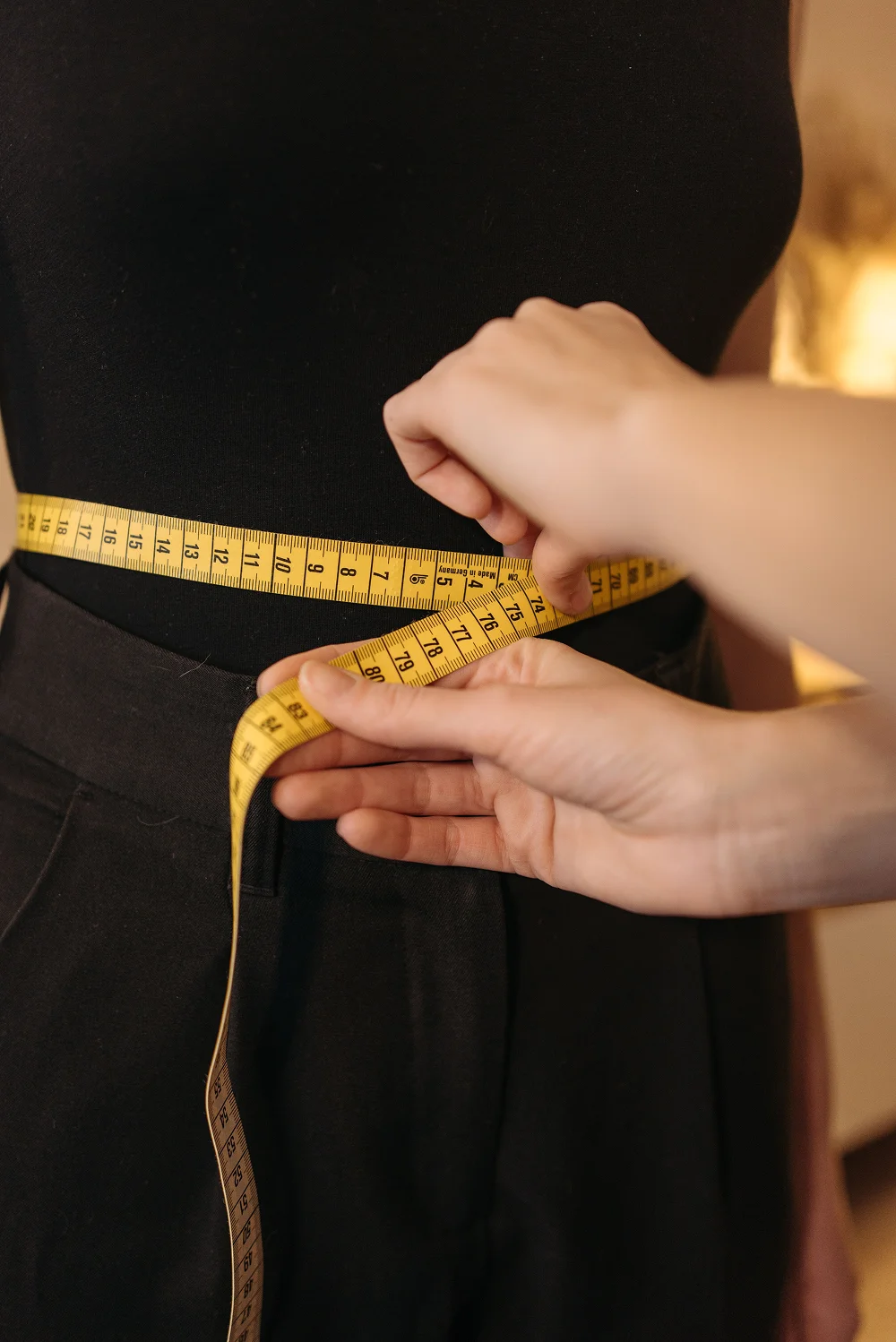
How to Measure Your Waist

Use the tape measure included in your Onsera welcome kit.

  • Stand up straight with your feet together and abdomen relaxed. Do not hold your breath or flex your stomach.
  • Find the top of your hip bone and the bottom of your ribs. Wrap the tape around your waist at the midpoint between the two, which is usually just above your belly button.
  • Make sure the tape is level all the way around your body, parallel to the floor, and not twisted.
  • Pull the tape snug against your skin, but not so tight that it compresses your skin or leaves a mark.
  • Breathe out normally and read the measurement at the end of a regular exhale.
  • Record the number, along with the date, and enter it in your Onsera app.

For the most consistent results, measure at the same time of day, such as first thing in the morning before eating, and roughly every 2 to 4 weeks rather than daily.

Optional: Arms, Thighs, and Hips

Tracking circumference at your arms, thighs, and hips is optional, but many people find it a rewarding way to see progress, especially early on when inches lost can show up faster than pounds on the scale. Use the same tape measure and measure both sides for arms and thighs when possible, since the two sides can differ slightly.

How to measure each area

  • Arms: measure around the widest part of your upper arm, roughly halfway between your shoulder and elbow, with your arm relaxed at your side.
  • Thighs: measure around the widest part of your upper thigh, just below your glutes.
  • Hips: stand with your feet together and measure around the widest part of your hips and buttocks.

As with your waist, keep the tape level and snug but not tight, and try to measure under similar conditions each time for the most useful comparison.

This sheet is for general education and does not replace guidance from your Onsera care team. Questions? Message your care team through the Onsera app.

For participants only. This resource and welcome guide are intended solely for program participants and should not be shared, copied, or distributed externally.
💡Questions before or after your first dose?
Message your care team through in-app chat, call or email customer support at 1-855-9ONSERA or help@onserahealth.com
— START THE CONVERSATION
Make Onsera your system of care
A clear view of impact—delivered in weeks, not months.