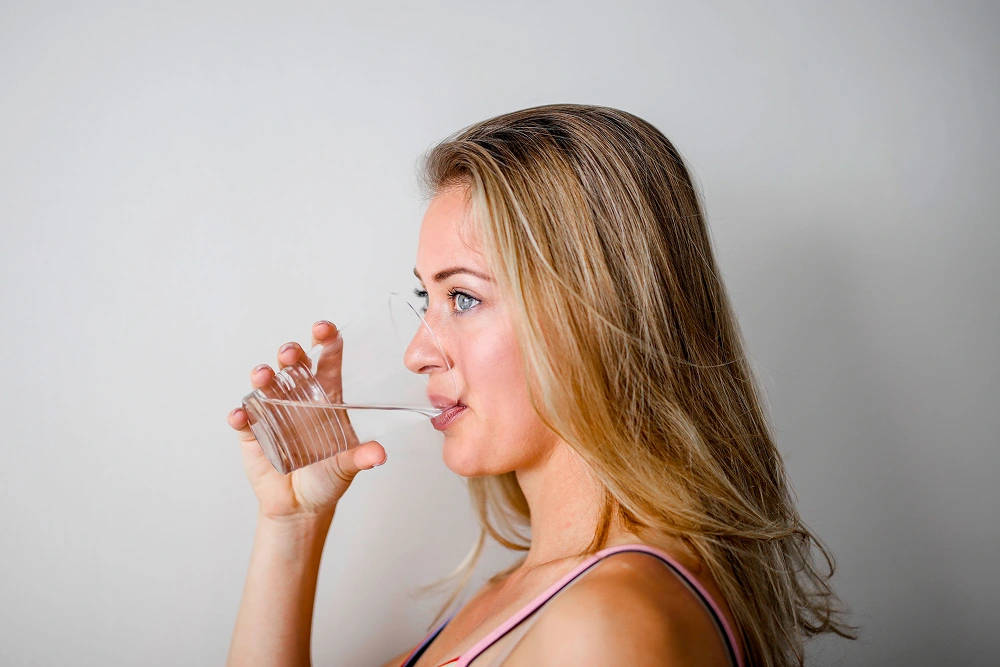
Why it matters, what counts, and how to make it part of your day.
WRITTEN BY:
Sheena Batura MS, RDN, CSOWM, LD
Medically reviewed by:
Kristin Baier, MD
Article
/
June 9, 2026
You might not feel thirsty as often as you used to. That is one of the quieter effects of GLP-1 medication — and one that can sneak up before you realize it is happening.
GLP-1 medication slows digestion and reduces appetite. What many people don't expect is that it can also quiet thirst signals. You might go hours without thinking about water — not because your body doesn't need it, but because the usual cues have dimmed.
At the same time, if nausea, vomiting, or diarrhea have been part of your experience during titration, your body may be losing fluid faster than usual. Put those two things together — drinking less and losing more — and dehydration becomes a real and common concern on GLP-1 medication.
Hydration is not just about quenching thirst. Water keeps your kidneys working well, helps move nutrients through your body, supports bowel regularity, and plays a role in how energized and clear-headed you feel. When you are even mildly dehydrated, you may notice fatigue, headaches, constipation, or brain fog — symptoms that are easy to attribute to the medication, but are sometimes simply a sign your body needs more fluid.
01. Understanding Your Hydration Needs
How Much Fluid Do You Need?
General recommendations suggest most adults need about 9–13 cups (roughly 2–3 liters) of total fluid per day. Your individual needs vary based on body size, activity level, climate, and how much fluid you get from food.
A simple way to estimate your personal starting point
Your body weight in pounds ÷ 2 = daily fluid target in ounces
Example: 180 lbs ÷ 2 = 90 oz per day (about 11 cups)
This is a general estimate — not a prescription. On active days, in hot weather, or when GI symptoms are present, your needs increase.
Signs of Dehydration to Watch For
Dehydration on GLP-1 medication often develops gradually. These are the signals your body sends when it needs more fluid:
Early Signs
Thirst (though this signal is often quieter on GLP-1)
Darker yellow urine
Dry mouth or lips
Mild headache
Fatigue or low energy
Difficulty concentrating
Signs to Take Seriously
Dark amber or orange urine
Very low urine output
Dizziness or lightheadedness
Rapid heartbeat
Muscle cramps
Constipation that is not responding to fiber and fluids
The Urine Color Check
One of the most reliable day-to-day checks for hydration status is the color of your urine. This simple chart gives you a quick reference:
Color
What It Means
Action
Pale yellow
Well hydrated
Keep it up
Dark yellow
Mildly dehydrated
Drink more fluids soon
Amber / orange
Significantly dehydrated
Drink fluids now; contact care team if persistent
Very pale/clear
Over-hydrated (rare)
You can ease back slightly
How GLP-1 Medication Changes Your Hydration
Reduced thirst drive — the medication quiets appetite signals, and thirst signals can quiet with them.
Smaller meals and drinks — when food and fluid intake both shrink, total daily fluid intake often drops.
GI fluid losses — nausea, vomiting, or diarrhea during titration can cause significant fluid loss in a short time.
Constipation — inadequate fluid intake makes constipation more likely and harder to resolve.
Dizziness — dehydration and GLP-1's effect on blood pressure can compound, making dizziness more common.
02. What Counts as Hydration?
Water is the gold standard — but it is not the only way to meet your fluid needs. Many foods and beverages contribute meaningfully to daily hydration. This matters especially on GLP-1 medication, when thirst signals are quieter and appetite for drinking may feel reduced.
Below are the main categories of hydration sources, with practical notes for GLP-1 users.
💧 Plain & Unsweetened Beverages
Water (still or sparkling)
Herbal or decaf tea (hot or iced)
Decaf coffee
Flavored water — no sweetener added
Coconut water (unsweetened) — also contains natural electrolytes
🍲 Soups & Broths
Low-sodium broth or bone broth
Miso soup
Lentil or bean soup
Vegetable soup
💡Soups also provide sodium and potassium, making them particularly helpful when GI symptoms are active.
🥤 Protein Supplements & Fortified Drinks
Protein shakes or powders mixed with water or milk
Clear protein drinks
Liquid meal replacements (when tolerated)
These count toward both fluid and protein goals — a two-for-one on GLP-1.
Soups, broths, and high-water fruits and vegetables all count toward your daily fluid total.
Protein shakes mixed with water or milk count toward both your fluid and protein goals — a practical two-for-one.
If nausea makes cold drinks hard to tolerate, try room-temperature or warm options like herbal tea or broth.
03. Electrolytes: When They Matter
What Are Electrolytes and Why Do They Matter?
Electrolytes are minerals in your body fluids that carry electrical charges. They regulate how fluid moves in and out of your cells, support muscle and nerve function, and help maintain blood pressure. Sodium, potassium, magnesium, and chloride are the main ones to know.
Most of the time, a balanced diet provides enough electrolytes. But on GLP-1 medication — particularly when GI symptoms are active — you may lose more than usual through vomiting, diarrhea, or sweat, while also eating less than before.
Electrolyte
Why It Matters
Food Sources
Lost During
Sodium
Balances fluid inside and outside cells; supports nerve and muscle function
Broth, soups, salted crackers, olives, miso
Vomiting, diarrhea, heavy sweating
Potassium
Regulates fluid balance, heart rhythm, and muscle contractions
Supports muscle relaxation, sleep, and over 300 body processes
Leafy greens, nuts, seeds, legumes
Low food intake, chronic stress, diarrhea
Chloride
Works with sodium to maintain fluid balance
Table salt, broth, olives
Vomiting
When Do Electrolytes Need Extra Attention?
Most people on GLP-1 medication do not need electrolyte supplements under normal circumstances. But there are situations where paying closer attention — or replenishing through food and drink — makes a real difference:
Active vomiting or diarrhea — significant fluid and electrolyte loss can happen quickly
Heavy exercise or hot weather — sweating increases losses beyond the baseline
Very low food intake — eating very little means less dietary electrolyte intake overall
Persistent headaches, muscle cramps, or dizziness that are not explained by dehydration alone
Practical electrolyte sources in food and drink
Sodium: broth, miso soup, lightly salted crackers or rice cakes
Magnesium: leafy greens, almonds, pumpkin seeds, black beans
Multi-electrolyte: coconut water, broth, and sports drinks (low- or no-sugar versions)
What About Electrolyte Supplements and Drinks?
Commercially available electrolyte packets (like those added to water) can be useful when GI symptoms are active or fluid losses are high. Look for options that are:
💡Be cautious with high-sugar sports drinks — they can worsen nausea and diarrhea and are generally not necessary unless you have been exercising intensely.
When to talk to your Registered Dietitian (RD)
Speak with your RD if any of these apply to you:
You have been experiencing vomiting or diarrhea for more than 24–48 hours
You are feeling persistently dizzy, weak, or have heart palpitations
You have a medical history involving kidney disease, heart conditions, or blood pressure concerns — electrolyte balance matters more in these situations
You are unsure whether an electrolyte supplement is appropriate for you
You want a personalized hydration plan based on your activity level, climate, or health history
💡Hydration needs are individual. Your RD can help you figure out what is right for your body and your situation.
04. How to Meet Your Daily Hydration Goal
Knowing you should drink more and actually doing it are two different things — especially when the drive to drink has genuinely decreased. The practical strategies here help you build hydration into your day without relying on thirst as your only cue.
Daily Hydration Habits — A Practical Checklist
Drink 8–12 oz of water first thing in the morning, before coffee.
Pair drinking with 2–3 daily habits you already do (brushing teeth, sitting down for a meal, opening your laptop).
Keep a water bottle at your desk, in your bag, or on your kitchen counter — out of sight often means out of mind.
Try cold, room temperature, or warm — find what your stomach tolerates best.
Add lemon, cucumber, mint, or a splash of 100% fruit juice if plain water feels unappealing.
Include at least one high-water-content food at each meal: cucumber, melon, berries, soup, or leafy greens.
If nausea is present, sip every 10–15 minutes rather than drinking large amounts at once.
Aim for pale yellow. Dark yellow means your body needs more fluid.
Building Your Hydration Day
Rather than trying to drink a large amount all at once, spreading fluid intake across the day is both more effective and easier on your digestive system — particularly if nausea is present.
Suggested Daily Framework
Morning: 12–16 oz on waking
Mid-morning: 8–12 oz with a snack or anchor habit
Lunch: 8–12 oz with or around your meal
Afternoon: 8–12 oz mid-afternoon
Dinner: 8–12 oz with your evening meal
Evening: 4–8 oz before bed (if tolerated)
Adjust up on active days, in heat, or when GI symptoms are present.
When Nausea Is Making It Hard
Switch to small sips every 10–15 minutes
Try ice chips or frozen fruit
Use broth or herbal tea instead of cold water
Chill your water if warm drinks feel harder
Avoid gulping — small, steady sips move better through a slowed GI system
Nausea often improves as your body adjusts to titration. Keeping fluid intake going — even in very small amounts — matters during this period.
Want to explore this further?
Tap below in the Onsera app to talk through your hydration habits with your AI coaching companion. Your coach can help you build a plan that fits your schedule, your preferences, and where you are in your GLP-1 journey.
Explore this in your life with your AI coaching companion →
This handout is for educational purposes only and does not replace personalized medical advice from your healthcare provider. Always consult your Onsera care team before making changes to your medications or treatment plan.
For participants only. This resource and welcome guide are intended solely for program participants and should not be shared, copied, or distributed externally.
💡Questions before or after your first dose?
Message your care team through in-app chat, call or email customer support at 1-855-9ONSERA or help@onserahealth.com
— START THE CONVERSATION
Make Onsera your system of care
A clear view of impact—delivered in weeks, not months.